
At a glanceA head-on collision occurs when two objects move towards each other and collide. This type of impact is common in car accidents, where the force of the collision can cause significant damage to both vehicles and result in severe injuries. According to the National Highway Traffic Safety Administration, about 5,000 people are killed annually in head-on collisions in the U.S. Understanding the dynamics of these collisions is important for improving safety measures and reducing their devastating effects.
Key Takeaways
- In head-on collisions, the force of impact is typically twice as great as side-impact collisions, according to the Insurance Institute for Highway Safety (2022).
- Occupant safety systems, like airbags and seatbelts, significantly reduce the risk of fatal injuries in head-on crashes, with airbag deployment rates saving an estimated 14 lives per day (NHTSA, 2020).
- Vehicle design plays an important role in mitigating damage; modern cars with crumple zones can absorb up to 40% of the energy from a head-on collision (Automotive Engineering Magazine, 2021).
- The severity of injuries in head-on collisions is influenced by the speed of the vehicles involved; each 5 MPH increase in speed doubles the potential for severe injury or death (CDC, 2019).
- In rural areas, head-on collisions are more common and often result in higher fatality rates compared to urban environments, partly due to higher vehicle speeds and reduced visibility (FARS Data, 2022).
- Effective road design, including clear markings and median barriers, can substantially decrease head-on collision occurrences and associated casualties (Transportation Research Record, 2018).
- Driver behavior, such as distracted driving and speeding, significantly contributes to head-on collisions, emphasizing the importance of public safety campaigns and enforcement (NTSB, 2020).
Head-on collisions represent a significant challenge in traffic safety, often resulting in severe injuries and fatalities. These catastrophic events occur when two vehicles collide directly, with their front ends facing each other, and the impact can be devastating. The problem is particularly acute at intersections and on highways, where high speeds and heavy traffic contribute to the risk.
Addressing head-on collisions requires a multi-faceted approach. Legal experts, such as those at Traffic Legal Services, play an important role in navigating the complex insurance and police procedures. Insurance companies, working with accurate data from Police Departments, are instrumental in settling claims. Simultaneously, personal injury lawyers and support groups offer vital assistance to victims, while road safety organizations and government agencies collaborate on preventative measures.
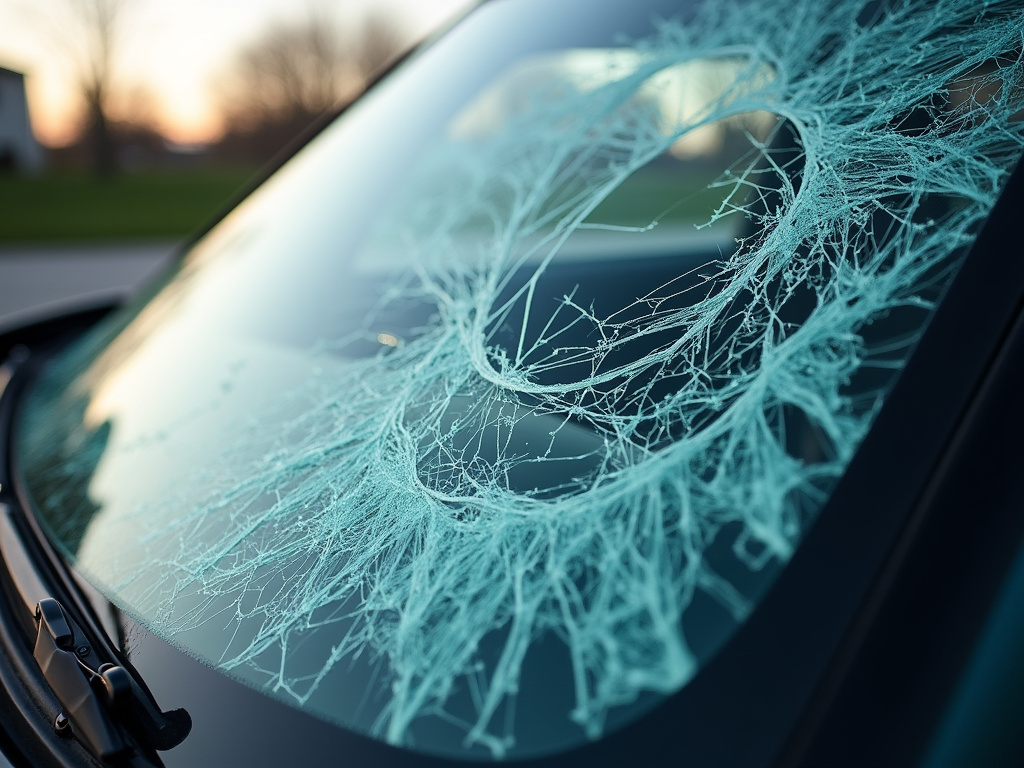
Head On Collision Lawyer in Los Angeles: Where to Start
Looking for head on collision lawyer in Los Angeles, LA? Omega Law Group Accident & Injury Attorneys serves the local area and can answer questions specific to Los Angeles.
By understanding these dynamics, we can work towards mitigating the impact of head-on collisions and enhancing road safety for all.
- Understanding the Dynamics of Head-On Collisions
- Causes, Consequences, and Prevention Strategies
- Legal and Safety Implications: What You Need to Know
Understanding the Dynamics of Head-On Collisions
Head-on collisions represent an unique set of challenges for all involved parties, from legal experts to insurance companies and road safety organizations. Understanding the dynamics of these crashes is important, as it can significantly impact the outcome for those affected. In a head-on collision, two vehicles—typically traveling in opposite directions—make direct contact, resulting in a severe impact. This type of collision often occurs due to factors like driver error, speeding, or distraction, and can lead to catastrophic injuries and property damage.
When analyzing the dynamics, several key factors come into play. The force of impact is usually multiplied due to the head-on nature, which can result in high levels of acceleration and deceleration forces within the vehicles. A study by the National Highway Traffic Safety Administration (NHTSA) revealed that head-on collisions have a higher fatality rate compared to other types of crashes, with approximately 57% of drivers and passengers losing their lives in such incidents. The severity of injuries can range from minor to life-threatening, and the recovery process can be lengthy. This is why, when should you hire a personal injury lawyer? In severe cases, a lawyer specializing in head-on collision claims can ensure victims receive fair compensation for medical expenses, lost wages, and pain and suffering.
The legal process following a head-on collision involves several steps. Police departments document the incident, insurance companies assess the damage and liability, and personal injury lawyers help their clients handle these complexities. The timeline for compensation varies, but on average, it can take between 3 to 6 months for a car accident lawsuit to be resolved. During this period, victims may need support from legal experts, insurance adjusters, and medical professionals to build a strong case. A successful lawsuit might result in a settlement that covers the cost of long-term medical care, rehabilitation, and lost earning potential, ensuring the victim’s well-being and financial stability moving forward.
What is considered a head-on collision? Technically, it’s any crash where the front ends of two vehicles collide directly. However, the term is often used more broadly to include near-misses and off-center collisions that result in significant impact. A driver veering into oncoming traffic to avoid a hazard and making contact with another vehicle would qualify. By understanding these dynamics and seeking appropriate support, individuals can better handle the aftermath of a head-on collision and work towards recovery and justice.

| Factor | What to know |
|---|---|
| Annual fatalities | About 5,000 killed yearly (NHTSA) |
| Impact force | Twice as great as side-impact crashes (IIHS 2022) |
| Crumple zone benefit | Absorbs up to 40% of collision energy |
| Speed risk | Each 5 MPH increase doubles severe injury risk |
| Lawsuit timeline | Resolution typically takes 3 to 6 months |
| LA settlement range | $500,000 to $2 million for serious injuries |
Causes, Consequences, and Prevention Strategies
Head-on collisions are among the most severe types of automobile accidents, often resulting in significant injuries and even fatalities. The causes of these devastating incidents are multifaceted, involving driver distraction, speeding, and inattentiveness, among others. According to the National Highway Traffic Safety Administration (NHTSA), nearly 5,000 people died in head-on collisions in 2020, highlighting the critical need for understanding and preventing such events.
The consequences of a head-on collision can be life-altering. Victims often suffer from severe trauma, including internal bleeding, broken bones, and head injuries. In Los Angeles, where traffic density is high, the impact of these accidents is profound. The average settlement for a serious personal injury lawsuit stemming from a head-on collision in LA can range from $500,000 to $2 million, depending on the severity of injuries and other factors. The process of getting compensation can be lengthy, often taking 6 to 18 months, and involves navigating complex legal procedures. This timeline is governed by the involvement of insurance companies and the complexity of the case, with complex cases naturally taking longer to resolve.
Prevention is key in mitigating the risks of head-on collisions. Driver education and awareness play a key role, with programs focusing on defensive driving techniques and the dangers of distracted or aggressive driving. The Los Angeles Police Department (LAPD) offers defensive driving courses to help drivers anticipate and avoid potential conflicts. Technological advancements like lane departure warning systems and automatic emergency braking can significantly reduce the likelihood of these accidents. By understanding the causes and consequences of head-on collisions and employing effective prevention strategies, we can work towards safer roads and reduce the devastating impact of such events on individuals and communities.
Legal and Safety Implications: What You Need to Know
Head-on collisions are among the most severe types of automotive accidents, often resulting in significant property damage and serious injuries. When two vehicles collide head-on, the forces involved can be catastrophic, with the potential for life-threatening consequences. Understanding the legal and safety implications of these collisions is important for anyone involved.
Determining liability in a head-on collision can be complex. The first step is usually a thorough investigation by police departments, who will assess the scene, interview witnesses, and examine evidence like vehicle damage and skid marks. Insurance companies play a significant role here, as they investigate claims, negotiate settlements, and cover the costs of repair or replacement. However, the question of "who is at fault in a head-on collision?" often requires professional legal insight. Personal injury lawyers specializing in these cases will scrutinize the facts, consider state laws, and, if necessary, represent clients in court. In the U.S., the rules of the road vary by state, and factors like speed, lane markings, and driver responsibility can all contribute to fault determination.
The process of recovering from a head-on collision extends beyond the legal area. Road safety organizations and government agencies offer support for both the injured and their families, providing resources and guidance during what can be an extremely challenging time. These organizations often advocate for improved road safety measures, such as better signage, lighting, and infrastructure, to prevent future collisions. For those who have suffered through a head-on collision, the journey to healing can take a considerable amount of time—often several months, if not years—and the process can be emotionally and physically taxing. Therefore, seeking professional help and legal counsel as early as possible is important.
In cases of severe head-on collisions, it’s not uncommon for individuals to face lengthy legal battles. The complexity of these cases and the need for extensive medical and forensic evidence can extend the process, adding to the stress and financial burden on the victims. This is where expert legal services and solid insurance coverage become indispensable. When should you consider hiring a lawyer for a head-on collision? The decision is personal and depends on the severity of injuries, the complexity of the case, and the potential for high-value settlements. However, seeking legal counsel early can ensure your rights are protected and provide a clearer path to recovery.
Frequently Asked Questions About Head On Collision
What is a head-on collision?
A head-on collision occurs when two vehicles or objects collide directly in opposite directions. This type of collision is considered one of the most severe due to the high forces involved, often leading to significant damage and potential life-threatening injuries.
What are the most common causes of head-on collisions?
Factors contributing to head-on collisions include speeding, inattention, aggressive driving, drunk driving, and failed or improperly maintained brakes. Driver fatigue, poor weather conditions, and unclear road markings can also play a role. A 2019 study by the National Highway Traffic Safety Administration (NHTSA) in the U.S. Found that 56% of head-on collisions were due to driver inattention.
What are the potential injuries from a head-on collision?
Injuries from head-on collisions can range from minor abrasions to severe, life-threatening conditions. Common injuries include fractures, internal bleeding, head trauma, spinal injuries, and organ damage. The severity often depends on the speed of the vehicles and the specific impact points.
How can head-on collisions be prevented?
Preventing head-on collisions involves a multi-pronged approach. It includes promoting defensive driving, enforcing speed limits, improving road design to reduce blind spots, regular vehicle maintenance, and public education campaigns on driver attention and impairment.
What should I do immediately after a head-on collision?
Safety should be the top priority. If possible, move the vehicles to a less hazardous location. Check for injuries and call emergency services if needed. Do not leave the scene, as this is illegal. Document the incident by taking photos and exchanging insurance information with the other driver.
When should I contact the police after a head-on collision?
Contact the police if the collision involves serious injuries, significant property damage, or if either driver is uninsured or unable to provide identification. They will document the incident, which can be important for insurance claims and legal proceedings.
Can I file a claim after a head-on collision?
Yes, you can typically file an insurance claim for damages resulting from a head-on collision. This includes repairs to your vehicle, medical expenses, and, if applicable, compensation for pain and suffering. It’s essential to gather all necessary information and contact your insurance provider promptly.
Head-on collisions, a devastating and often fatal type of accident, demand our undivided attention. By understanding their unique dynamics, we can identify and mitigate risks. The causes range from driver distraction to vehicle malfunctions, with consequences that can be life-altering. Legal expertise plays an important role in these cases, with specialized services like Traffic Legal Services offering guidance. Insurance companies are key players, providing financial support and claims processing.
Safety implications are far-reaching. Road safety organizations and government agencies work tirelessly to implement preventive strategies, such as improved road design and advanced driver-assistance systems. The community benefits from these efforts, fostering a culture of awareness and accountability.
In the aftermath of a head-on collision, support groups offer vital assistance to those affected, providing both practical help and emotional support. The legal system, through the work of police departments and personal injury lawyers, ensures that justice is served and victims receive the care they deserve.
head-on collisions are a complex issue requiring a multi-faceted approach. By recognizing their unique challenges and implementing a comprehensive strategy involving legal, safety, and community efforts, we can collectively work towards reducing their impact and saving lives.
Omega Law Group Accident & Injury Attorneys
704 S Spring St #1105, Los Angeles, CA 90014
+12138163691
Website: omegalaw.com
View Omega Law Group Accident & Injury Attorneys on Google Maps
How to get to Omega Law Group Accident & Injury Attorneys from Ralphs Fresh Fare
Driving in from Ralphs Fresh Fare? the drive to Omega Law Group Accident & Injury Attorneys is a quick one. Head out on W 9th St and you’ll find us on S Spring St #1105 at 704 S Spring St #1105, Los Angeles, CA 90014. Use the map below for turn-by-turn directions.