
Key Takeaways
Head-on collisions are among the most severe types of vehicle accidents, often resulting in significant property damage and injury.
According to the National Highway Traffic Safety Administration (NHTSA), they account for approximately 2% of all crashes but cause over 10% of fatal accidents.
The force of a head-on collision is typically double that of a side-impact collision due to the direct opposition of momentum.
In 2020, nearly 1,200 people died in head-on collisions in the United States, a figure that has been steadily declining over the past decade.
Drunk driving is a leading cause of head-on collisions, with nearly 30% of such accidents involving alcohol impairment, according to the Centers for Disease Control and Prevention (CDC).
Many head-on collisions can be prevented through improved road design, clear signage, and enforcement of driving laws, especially regarding speed limits and alcohol consumption.
Safety features like airbags, solid crumple zones, and advanced driver-assistance systems (ADAS) play an important role in mitigating the effects of head-on collisions.
Head-on collisions are among the most devastating and dangerous types of vehicular accidents, often resulting in severe injuries and even fatalities. These collisions occur when two vehicles approach and impact each other directly, with their front ends colliding head-on. With an average of 3,000 fatal head-on collisions reported annually in the U.S., according to the National Highway Traffic Safety Administration (NHTSA), it’s important to understand the legal, medical, and community implications.
The aftermath of a head-on collision can be complex, involving insurance companies, police departments, and legal experts like Traffic Legal Services. Personal Injury Lawyers play a vital role in ensuring victims receive the support they need, whether through compensation or access to specialized care. Road Safety Organizations and Government Agencies constantly work to improve prevention strategies, drawing from real-world examples and data.
Our article provides in-depth insights into managing and preventing these incidents, offering practical advice for both individuals and the community at large.
Head On Collision Lawyer in Los Angeles: Where to Start
Looking for head on collision lawyer in Los Angeles, LA? Omega Law Group Accident & Injury Attorneys head-on collision lawyer serves the local area and can answer questions specific to Los Angeles.
- Understanding the Dynamics of Head-On Collisions
- Causes, Prevention, and Mitigation Strategies
- Immediate Response and Long-Term Recovery Considerations

Understanding the Dynamics of Head-On Collisions
Head-on collisions, as the name suggests, occur when two vehicles, or even a vehicle and a pedestrian, collide directly in opposite directions. Understanding the dynamics of these crashes is important for both investigators and individuals looking to handle the aftermath. Unlike side-impact or rear-end collisions, head-on encounters involve forces acting perpendicular to the vehicles’ paths, leading to unique patterns of damage and potential injuries.
Calculating the force and impact in a head-on collision requires a complex analysis. Factors such as vehicle speed, mass, and the angle of impact play significant roles. A study by the National Highway Traffic Safety Administration (NHTSA) found that the risk of fatal injuries in head-on collisions increases with higher speeds, especially when vehicles are not equipped with safety features like crumple zones. The NHTSA also noted that proper driver training and adherence to speed limits can significantly reduce the severity of such incidents.
Determining liability in a head-on collision is a critical step for individuals involved. While it’s not always as straightforward as other types of accidents, examining the scene, vehicle damage, and driver behavior can provide important clues. If one driver veers into the other’s path, it may indicate negligence. Insurance companies often conduct thorough investigations, utilizing police reports, witness statements, and forensics to calculate compensation, which can include medical expenses, loss of wages, and pain and suffering, among other factors.
What to expect after a head-on collision varies widely. The immediate impact can range from minor dents to severe damage, and injuries may be minimal or life-threatening. It’s essential to seek medical attention regardless of perceived severity, as internal injuries may not be immediately apparent. Following the incident, individuals should document everything—from exchange of insurance details with the other party to taking photos of the scene and vehicle damage. This evidence can be invaluable when dealing with insurance claims or legal proceedings, facilitated by specialized services like Traffic Legal Services. Engaging with support groups and legal experts who specialize in head-on collision cases can help handle the complexities and ensure fair compensation, especially when dealing with government agencies and road safety organizations.
Causes, Prevention, and Mitigation Strategies
Head-on collisions are among the most severe types of vehicular accidents, often leading to significant injuries or even fatalities. These crashes occur when two vehicles collide directly, facing each other, as opposed to side-impact or rear-end collisions. The force of the impact is concentrated on the front ends of both vehicles, making them particularly dangerous. Understanding the causes of head-on collisions is important for preventing them and mitigating their consequences.
Several factors contribute to this type of accident, and identifying the root causes is essential for effective prevention strategies. Speeding is a significant culprit, as it reduces the time available for drivers to react and increases the severity of the impact. Intoxication, whether from alcohol or drugs, impairs judgment and reflexes, leading to riskier driving behaviors. Drowsiness, especially among long-haul truck drivers, can be just as hazardous as intoxication, as it impairs alertness and reaction time. Other causes include distracted driving, poor road design, and failed vehicle maintenance, such as defective brakes or tires. Addressing these issues through education, stricter enforcement, and improved infrastructure can significantly reduce the occurrence of head-on collisions.
When a head-on collision occurs, immediate actions can mitigate the impact. If possible, drivers should steer clear of the path of the oncoming vehicle to avoid direct impact. This maneuver, however, is not always feasible, especially in narrow roads or when the other vehicle is speeding uncontrollably. In such cases, the primary focus should be on minimizing the force of the collision. This includes wearing properly fitted and fastened seatbelts, which can reduce the risk of fatal injuries by up to 50%. Understanding who is at fault in head-on collisions is important for navigating legal complexities and seeking just compensation. Common factors in determining liability include speed, road conditions, and adherence to traffic rules.
If you or someone you know has been involved in a head-on collision, hiring a specialist in this area is advisable. Personal injury lawyers with expertise in head-on collision cases can provide invaluable support, guiding clients through the legal process and advocating for their rights. Before engaging a lawyer, it’s essential to ask relevant questions to ensure their competence and understanding of your situation. Inquire about their experience handling similar cases, the approach they take to settlements or trials, and how they communicate progress and potential outcomes. A lawyer with a proven track record in successfully resolving complex head-on collision cases and who maintains transparent communication channels can offer the best guidance and representation.
| Factor | What to know |
|---|---|
| Fatal crash share | Account for ~2% of crashes but over 10% of fatal accidents |
| Impact force | Typically double that of a side-impact collision |
| 2020 deaths | Nearly 1,200 people died in head-on collisions |
| Alcohol involvement | Nearly 30% of head-on crashes involve alcohol impairment |
| Seatbelt effectiveness | Properly worn seatbelts can cut fatal injury risk by 50% |
| Common causes | Speeding, intoxication, drowsiness, distraction, poor road design, bad maintenance |
Immediate Response and Long-Term Recovery Considerations
In the event of a head-on collision, the immediate response and subsequent recovery process are critical. These incidents, characterized by vehicles colliding directly against each other, often result in severe damage and potentially life-altering injuries. The first step after such a crash is to ensure the safety of all involved. This includes assessing the scene, calling emergency services if necessary, and providing initial aid until professional help arrives. In Los Angeles, where traffic congestion and high-speed travel are common, prompt response can significantly impact the outcome.
Determining liability and understanding one’s rights is an important aspect of recovering from a head-on collision. The process involves engaging with insurance companies, who will investigate the incident and assess fault. Understanding the specific circumstances of the collision is key. What is considered a head-on collision? It’s when the front of one vehicle impacts the front of another, as opposed to side or rear impacts. This distinction is vital, as it can influence the insurance settlement and legal outcome. According to a 2020 study, approximately 20% of all traffic fatalities in the US involved head-on collisions, emphasizing the need for swift and accurate response.
Choosing the right support during recovery is essential. Engaging with a reputable Personal Injury Lawyer who specializes in head-on collision cases can handle the legal complexities. They can help one qualify for compensation, which may include medical expenses, lost wages, and pain and suffering. Traffic Legal Services in Los Angeles have extensive experience handling these cases, offering a dedicated support group to help clients through the process. Considering the involvement of road safety organizations and government agencies can ensure access to the best available resources and expertise.
Long-term recovery involves both physical rehabilitation and navigating the legal system. Physical therapy and medical care are essential to managing injuries and restoring mobility. Keeping detailed records of all medical treatments, bills, and communications with insurance companies is vital for building a solid case. This systematic approach ensures that one’s rights are protected and that the focus remains on healing and rebuilding, rather than navigating bureaucratic hurdles.
Frequently Asked Questions About Head-On Collision
What is a head-on collision?
A head-on collision occurs when two vehicles travel towards each other and collide directly, typically resulting in a frontal impact. This type of collision is one of the most severe due to the high force exerted on both vehicles and their occupants. It often leads to serious injuries or even fatalities, especially if safety features like airbags and crumple zones are not properly designed or used.
How do head-on collisions occur?
Head-on collisions can result from various factors, including driver error, distracted driving, speeding, and failed vehicle maintenance. A driver making a left turn without yielding to oncoming traffic or a driver swerving into the opposite lane due to alcohol impairment can cause such collisions. Understanding these causes is important for road safety campaigns and driver education programs.
What are the common causes of head-on collisions?
- Speeding: Excessive speed reduces the time available for drivers to react and brake, increasing the severity of a potential collision.
- Distracted Driving: Texting, using a GPS, or attending to passengers can distract drivers, leading to late reactions or veering into oncoming traffic.
- Impaired Driving: Operating a vehicle under the influence of alcohol or drugs impairs judgment and coordination, significantly raising the risk of head-on collisions.
- Ineffective Traffic Control: Poorly designed road signs, signals, or lane markings can contribute to driver confusion and errors.
What are the signs of a severe head-on collision?
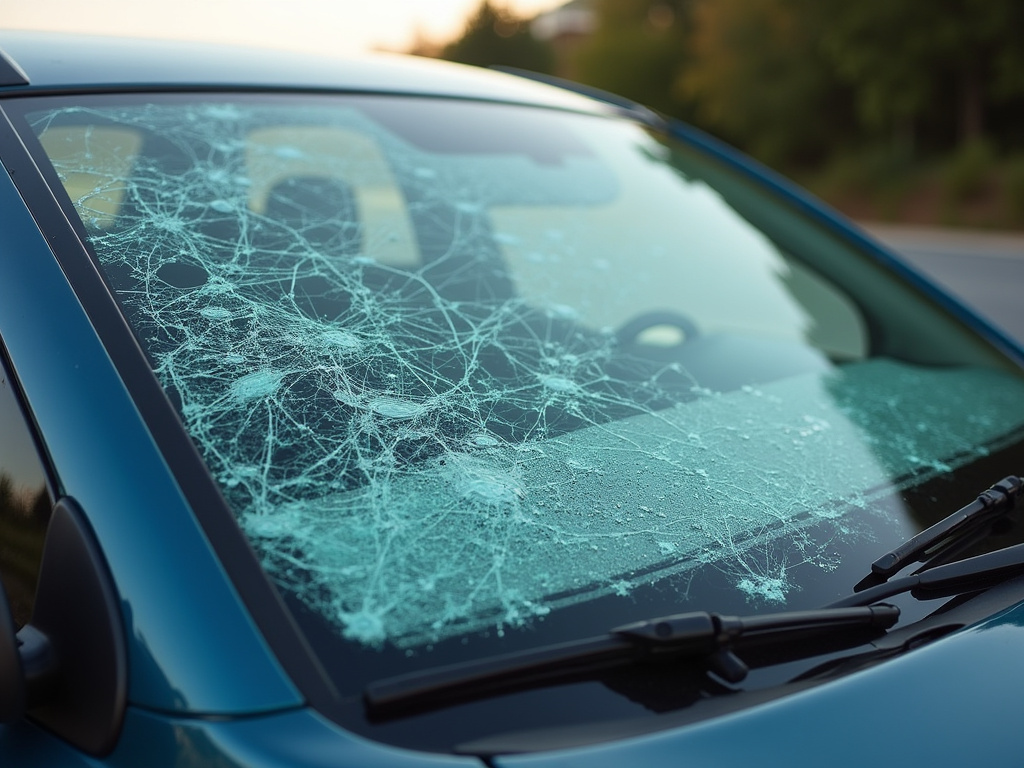
The severity of a head-on collision is often indicated by the extent of damage to the vehicles, the presence of safety equipment deployment (airbags, crumple zones), and the number of occupants injured. Severe collisions may result in complete vehicle destruction, multiple injuries, and even fatalities. Emergency responders use these signs to quickly assess the scene and provide appropriate medical aid.
How can head-on collisions be prevented?
Preventing head-on collisions involves a multi-faceted approach:
- Driver Education: Teaching safe driving practices, including speed limits, defensive driving, and maintaining lane discipline.
- Enforcement: Strict penalties for speeding, distracted driving, and impaired driving can deter dangerous behavior.
- Infrastructure Improvements: Upgrading roads with better signage, clear lane markings, and safety features like median barriers can reduce collision risks.
- Vehicle Safety Standards: Mandating advanced safety technologies, like collision avoidance systems and improved airbags, enhances vehicle safety.
Omega Law Group Accident & Injury Attorneys
704 S Spring St #1105, Los Angeles, CA 90014
+12138163691
Website: omegalaw.com
View Omega Law Group Accident & Injury Attorneys on Google Maps
How to get to Omega Law Group Accident & Injury Attorneys from Los Angeles State Historic Park
If you're over by Los Angeles State Historic Park, you're only a few minutes from Omega Law Group Accident & Injury Attorneys. Head out on N Spring St and you'll find us on S Spring St #1105 at 704 S Spring St #1105, Los Angeles, CA 90014. Use the map below for turn-by-turn directions.