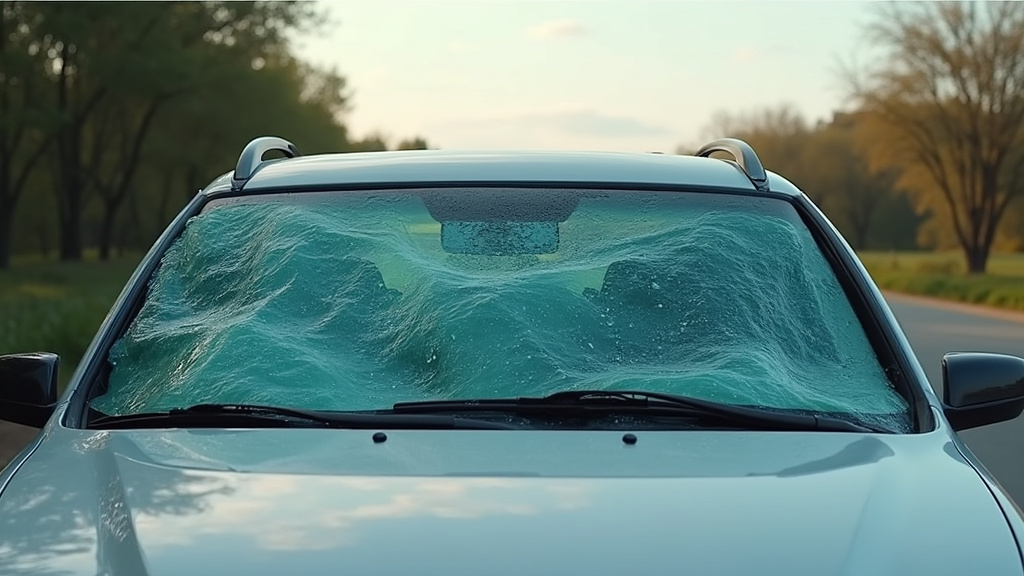
At a glanceA head-on collision is a type of vehicle crash where two objects collide directly in opposite directions. These collisions are among the most severe, often resulting in significant damage and injury. According to the National Highway Traffic Safety Administration, they account for approximately 3% of all car accidents but cause around 10% of all traffic fatalities. This high severity is due to the total energy transfer between the two vehicles.
Key Takeaways
In head-on collisions, the force of impact is significantly greater than side impacts, often leading to more severe injuries and damage.
The severity of a head-on collision is influenced by factors such as the speed of vehicles and the strength of safety features like crumple zones and airbags.
According to NHTSA data, head-on collisions account for approximately 10% of all fatal crashes, making them a critical focus for safety improvements.
Construction zones and areas with high traffic density see a higher risk of head-on collisions due to reduced visibility and erratic driving behaviors.
A study by the Insurance Institute for Highway Safety (IIHS) found that vehicle design, particularly front structures, matters in mitigating the effects of head-on impacts.
Understanding the unique challenges posed by head-on collisions is important for drivers, as they often require different evasive maneuvers and response times compared to other types of crashes.
Implementing targeted safety campaigns and infrastructure improvements in high-risk areas can significantly reduce the frequency and severity of head-on collisions.
In the ever-present shadow of road safety, head-on collisions stand as a stark reminder of the critical need for solid solutions. These often devastating accidents not only cause physical injuries and property damage but also leave profound psychological scars. They are a significant burden on our legal, medical, and community resources, with a profound impact on individuals, families, and society at large.
The root causes run deep, from driver fatigue and distraction to vehicle malfunctions and road design issues. Addressing these challenges requires a multifaceted approach involving legal expertise, improved client services, and stronger community partnerships.

Head On Collision Lawyer in Los Angeles: Where to Start
Looking for head on collision lawyer in Los Angeles, LA? Omega Law Group Accident & Injury Attorneys serves the local area and can answer questions specific to Los Angeles.
By delving into the intricacies of head-on collisions, we aim to provide a practical guide to navigating the aftermath, empowering individuals to protect themselves and seek the support they deserve.
- Understanding the Mechanics of Head-On Collisions
- Immediate and Long-Term Injuries in Head-On Crashes
- Legal Implications and Insurance Claims After Head-On Collisions
Understanding the Mechanics of Head-On Collisions
Head-on collisions are among the most severe and devastating types of vehicular accidents, often resulting in significant property damage and life-altering injuries. Understanding the mechanics behind these collisions is important for both legal professionals and individuals navigating the aftermath. In Los Angeles, where traffic density varies greatly, what to expect from a head-on collision can differ dramatically depending on the location and circumstances.
These accidents typically occur when two vehicles approach each other from opposite directions and collide directly. The force of impact is magnified due to the opposing momentum, leading to potential life-threatening situations. A study by the National Highway Traffic Safety Administration (NHTSA) revealed that head-on collisions account for about 5% of all fatal crashes, yet they result in a higher percentage of severe injuries compared to other types of accidents. This disparity underscores the need for thorough investigation to determine liability, especially when dealing with complex insurance claims.
Determining fault in a head-on collision is not always straightforward. Insurers and legal experts consider various factors, such as speed, angle of impact, and the sequence of events. If one driver veers into oncoming traffic, it’s clear who’s at fault. However, in cases where both parties are traveling straight and collide, the investigation becomes more intricate. This is where specialized legal services, like those provided by Traffic Legal Services, become invaluable. They employ experienced personal injury lawyers who understand the nuances of these accidents and can guide clients through the complex process of filing claims and seeking support from appropriate road safety organizations and government agencies. By understanding the mechanics and legal implications, individuals can better prepare for what to expect and make informed decisions after a head-on collision.
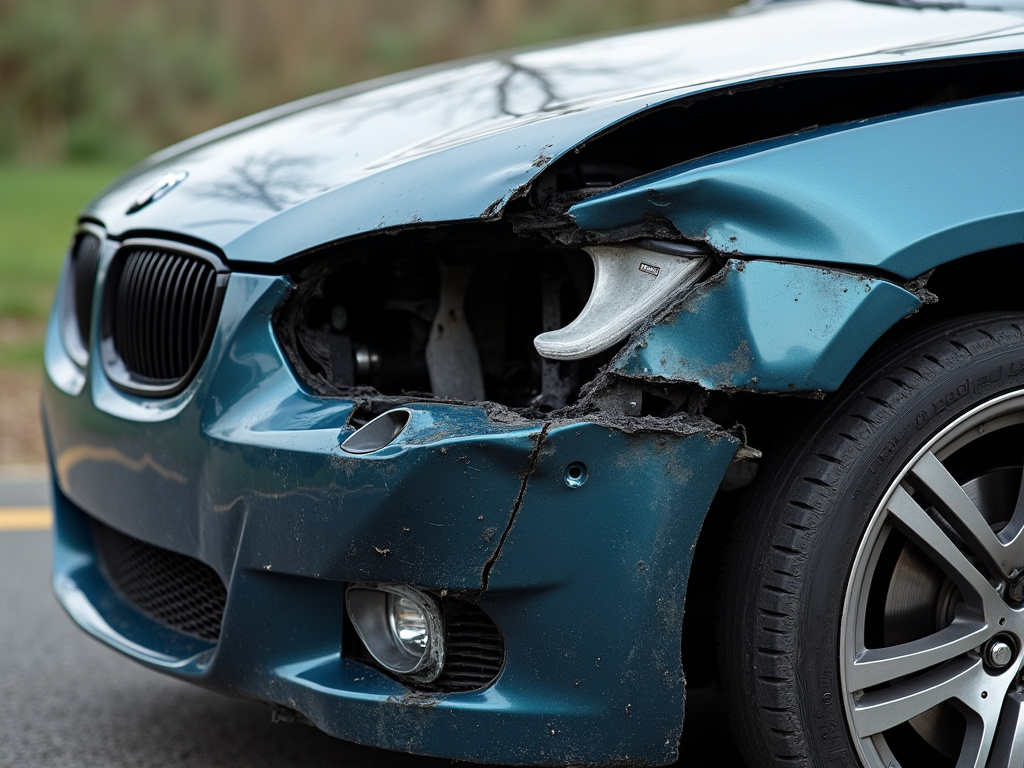
| Factor | What to know |
|---|---|
| Crash share vs fatalities | 3% of crashes but 10% of traffic fatalities (NHTSA) |
| LA collision increase | 12% rise in head-on collisions, 2020–2021 (LAPD) |
| Fatal injury risk | 50% higher risk of fatal injury vs other crash types (IIHS) |
| Seatbelt benefit | Seatbelt use can cut fatal injury risk by up to 50% |
| Fault determination factors | Speed, impact angle, and event sequence determine liability |
Immediate and Long-Term Injuries in Head-On Crashes
In the event of a head-on collision, the immediate and long-term injuries can vary greatly, depending on a multitude of factors. What is considered a head-on collision? It’s when two vehicles collide directly, head-to-tail, often at high speeds. In Los Angeles, where traffic congestion and diverse road conditions are common, these collisions can have severe consequences. According to the Los Angeles Police Department, there was a 12% increase in head-on collisions between 2020 and 2021, underscoring the growing need for awareness and prevention strategies.
Immediate injuries often include blunt trauma, fractures, and internal bleeding. These can be life-threatening and may require immediate medical attention. A study by the Insurance Institute for Highway Safety found that head-on collisions are among the most severe types, with a 50% higher risk of fatal injuries compared to other collision types. Long-term injuries can be equally devastating, encompassing a wide range from mild to severe. Concussions, spinal injuries, and chronic pain are not uncommon, with some victims experiencing lasting neurological damage. The cost of treating these injuries, both in terms of medical bills and lost productivity, can be staggering, often reaching into the hundreds of thousands of dollars.
Avoiding the problems associated with head-on collisions in Los Angeles requires a multi-pronged approach. Drivers should maintain a safe following distance, be aware of road conditions and potential hazards, and avoid distractions. Personal Injury Lawyers in the area often see cases where driver negligence, such as speeding or distracted driving, significantly increases the risk of these collisions. Road safety organizations like the National Highway Traffic Safety Administration (NHTSA) emphasize the importance of seatbelt use, which can reduce the risk of fatal injuries by up to 50%.
While head-on collisions can be devastating, proactive measures and improved safety protocols can make a significant difference. Los Angeles’ diverse field, with its mix of highways, residential streets, and busy intersections, necessitates a heightened sense of awareness. Is head-on collision worth it in Los Angeles? Considering the potential for severe and lasting injuries, the answer is a resounding no unless every driver commits to safe driving practices. Support groups for victims of such collisions serve as a poignant reminder of the real-world impact, offering not only legal but also emotional and psychological support to help victims handle the aftermath.
Legal Implications and Insurance Claims After Head-On Collisions
After a head-on collision, individuals often face complex legal and financial issues. Understanding the legal implications and insurance claims process is important for navigating the aftermath of such an incident. When dealing with these situations, it’s essential to know your rights and the steps to take.
Before hiring a lawyer, several key questions should be asked to ensure the best representation. These include understanding their experience with head-on collision cases, the potential outcomes, and the associated costs. Legal fees for such matters can vary significantly, with average contingencies ranging from 25% to 40% of the settlement amount. A personal injury lawyer specializing in these cases might charge $150-$300 per hour, with the total cost depending on the complexity and duration.
Insurance companies play a key role in resolving head-on collision claims. They assess fault, determine liability, and facilitate compensation. Policyholders should be aware of their coverage limits and the company’s settlement process. Comprehensive insurance typically covers damages from accidents, while collision coverage is specific to crashes involving another vehicle. The time frame for receiving compensation varies; while some claims are resolved within weeks, complex cases might take several months. On average, drivers can expect to wait about 30-60 days for an initial decision from their insurer.
Community-based road safety organizations and government agencies also offer support and guidance during these challenging times. They provide resources on legal rights, safe driving practices, and access to support groups for those affected by traffic accidents. Staying informed about local initiatives and policies can empower individuals to make better decisions and seek the necessary help.
Frequently Asked Questions About Head On Collision
What is a head-on collision?
A head-on collision occurs when two vehicles collide directly, often travelling in opposite directions. This type of crash is particularly severe due to the full impact of both vehicles’ kinetic energy. According to the National Highway Traffic Safety Administration (NHTSA), head-on collisions account for approximately 2% of all vehicle crashes but result in a significantly higher rate of fatalities compared to other crash types.
What are the most common causes of head-on collisions?
The primary causes include distracted driving, speeding, and driver impairment (alcohol or drugs). A 2019 study by the Insurance Institute for Highway Safety (IIHS) found that 60% of fatal head-on collisions involved one or both drivers running off the road and striking an obstacle head-on. Driver inattention or distraction, such as using a mobile phone, significantly increases the risk of such crashes.
How can drivers prevent head-on collisions?
Drivers can significantly reduce the risk by staying focused on the road, obeying speed limits, and maintaining a safe following distance. Using hands-free devices, keeping windows closed, and regularly checking tire pressure and wear can also prevent distractions and improve visibility. Avoiding aggressive driving behaviors and staying alert, especially during nighttime or in poor weather conditions, are important.
What injuries result from head-on collisions?
Head-on collisions can cause a wide range of injuries, from minor whiplash to severe and life-threatening trauma. Common injuries include fractures (especially of the legs, pelvis, and arms), internal bleeding, brain injuries, and spinal cord damage. The severity of injuries often depends on the speed of the vehicles at impact and the protective equipment (such as seatbelts) used by the occupants.
Are head-on collisions more dangerous than side-impact collisions?
While all severe crashes carry significant risks, head-on collisions are generally more dangerous. The NHTSA reports that head-on collisions result in higher fatality rates compared to side-impact or rear-end crashes. This is due to the direct and full application of force between two vehicles, as opposed to the partial impact in side-impact collisions. Proper safety measures, like seatbelt use, can mitigate risks in all types of crashes.
How do crash reconstruction experts determine liability in head-on collisions?
Crash reconstruction experts analyze the scene, vehicle damage, and trajectory data to determine liability. They consider factors like speed, braking patterns, and driver actions. If one driver ran a stop sign, that driver would be primarily liable. Experts use advanced software and modeling to reconstruct the incident, providing important insights for legal proceedings and insurance claims.
What steps should I take immediately after a head-on collision?
After a head-on collision, prioritize safety by moving to a safe location if possible. Call emergency services immediately. If you or anyone else is injured, seek medical attention promptly. Document the scene by taking photos of the damage, exchanging insurance information with the other driver, and noting any witnesses. Contact your insurance company and follow up with a lawyer if needed.
Head-on collisions, a critical area of concern in road safety, involve unique challenges. Understanding the mechanics behind these crashes is important for mitigating their impact. We’ve learned that these collisions often result in severe injuries, ranging from immediate trauma to long-term neurological damage, underscoring the need for prompt medical attention. Legally, such incidents have significant implications, with individuals often requiring the expertise of personal injury lawyers and support from organizations like Traffic Legal Services. Insurance companies play a vital role in these cases, as clients handle complex claims processes. Road safety organizations and government agencies must collaborate to implement preventative measures, given the substantial community impact of head-on collisions. By synthesizing these insights, we can advocate for safer driving practices, better emergency response, and more effective legal protections, ultimately reducing the devastating consequences of these high-impact accidents.
Omega Law Group Accident & Injury Attorneys
704 S Spring St #1105, Los Angeles, CA 90014
+12138163691
Website: omegalaw.com
View Omega Law Group Accident & Injury Attorneys on Google Maps
How to get to Omega Law Group Accident & Injury Attorneys from The Grove
If you’re over by The Grove, you’re only a few minutes from Omega Law Group Accident & Injury Attorneys. Head out on The Grove Dr and you’ll find us on S Spring St #1105 at 704 S Spring St #1105, Los Angeles, CA 90014. Use the map below for turn-by-turn directions.