
Key Takeaways
- Head-on collisions are often severe due to the direct impact, causing significant damage and potential life-threatening situations.
- Wearing seatbelts significantly reduces the risk of injury, making it a crucial safety measure during any journey.
- Proper road infrastructure and signage can play a pivotal role in preventing these accidents by providing clear guidelines.
- Quick response times from emergency services are essential for minimizing fatalities and injuries in head-on collisions.
- Driver awareness and adherence to traffic rules are key to avoiding such collisions, emphasizing the importance of responsible driving.
- Regular vehicle maintenance checks can help identify issues, ensuring safer driving conditions and potentially preventing accidents.
At a glanceA head-on collision occurs when two vehicles smash into each other while moving in opposite directions. This type of collision is usually very severe due to the direct impact, often causing significant damage to both vehicles and potentially serious injuries to occupants. It’s crucial to remember the importance of safety measures and defensive driving to avoid such accidents.
Head-on collisions are a significant cause of severe injuries and fatalities on our roads. These high-impact accidents, where vehicles collide directly, present a critical challenge for safety experts and policymakers. The devastating consequences demand innovative solutions to prevent and mitigate such events. This article delves into the intricacies of head-on collisions, exploring the underlying factors, their devastating effects, and most importantly, the cutting-edge technologies and strategies that offer a beacon of hope in the quest for safer highways. By the end, readers will grasp the complex dynamics of these collisions and the promising paths toward reducing their frequency and impact.
Head On Collision Lawyer in Los Angeles: Where to Start
Looking for head on collision lawyer in Los Angeles, LA? head-on collision accident lawyer serves the local area and can answer questions specific to Los Angeles.
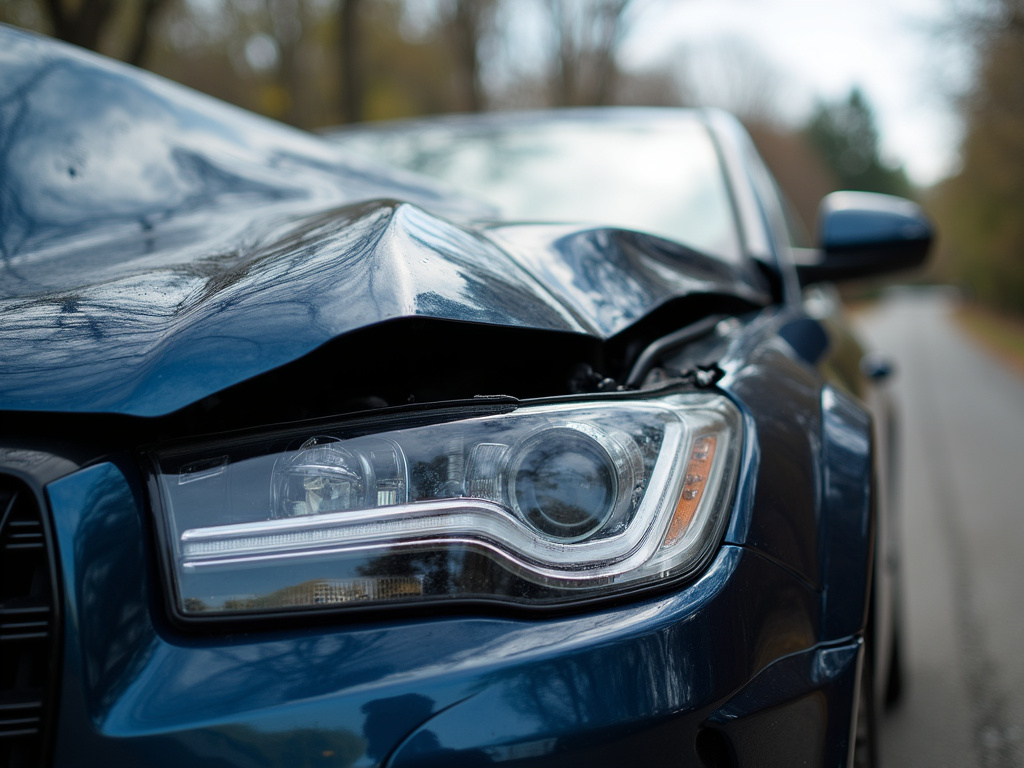
Understanding Head-On Collision Causes and Prevention
Head-on collisions, as the name suggests, occur when two vehicles collide directly, typically travelling in opposite directions. Understanding the causes and implementing preventive measures is crucial for ensuring road safety. One of the primary factors contributing to these collisions is driver distraction or error, which can be attributed to various reasons such as texting while driving, aggressive behaviour, or simply fatigue. In today’s fast-paced world, where road congestion is a common scenario, maintaining focus and attention is more challenging than ever. For instance, a study by the National Highway Traffic Safety Administration (NHTSA) revealed that distracted driving accounted for approximately 3,142 fatalities in 2020, underlining the urgent need for awareness and education.
Another significant aspect to consider is vehicle maintenance and proper signage. Inadequate vehicle maintenance, such as worn-out brakes or defective tires, can compromise control and reaction time, leading to potential head-on collisions. Similarly, poor road signage or visibility can catch drivers off guard, especially on winding roads or during low-light conditions. According to the Insurance Institute for Highway Safety (IIHS), proper road design and signage can significantly reduce the severity of crashes. For example, well-designed road markings and clear signage can help drivers maintain their lanes and avoid straying into opposing traffic.
Do you actually need a head-on collision to cause severe damage? Not necessarily. The impact of such collisions is often underestimated, with costs extending beyond physical injuries. How to calculate head-on collision damage? It involves assessing the severity of property damage, medical expenses, and potential legal costs. In some cases, the bill can reach tens of thousands of dollars, not to mention the emotional and physical trauma suffered by those involved. Therefore, preventing head-on collisions becomes not just a moral obligation but also an economic imperative. This can be achieved through a combination of driver education, stringent vehicle safety standards, and continuous improvement in road infrastructure. For instance, implementing advanced driver-assistance systems (ADAS) like lane-keeping assist and automatic emergency braking can significantly reduce the likelihood of these devastating accidents.
Immediate Actions After a Frontal Crash
In the event of a head-on collision—a severe impact where two vehicles collide directly, face to face—the immediate actions taken can significantly influence outcomes. The first step for any driver involved in such a crash is to remain calm and assess the situation. If possible, move your vehicle to a safe location off the road to prevent further harm. This is crucial, especially if there are injuries, as emergency services should be contacted immediately. It’s also important to note that even seemingly minor head-on collisions can result in substantial damage and injuries; therefore, seeking medical attention is advisable for all parties involved, regardless of perceived severity.
While immediate safety measures are paramount, understanding what constitutes a head-on collision is essential. A head-on crash occurs when the front ends of two vehicles collide, contrasting with side impact or rear-end collisions. These crashes often result in more severe damage due to the concentrated force on a smaller area. For instance, data from the National Highway Traffic Safety Administration (NHTSA) indicates that frontal crashes account for approximately 28% of all vehicle fatalities, underscoring the need for swift and effective response strategies.
Regarding legal implications, California’s personal injury laws govern compensation for victims in head-on collisions, among other types. Accident lawyers in California typically charge contingent fees, meaning they receive a percentage (often around 30%) of any settlement or judgment won on your behalf. However, it’s not always necessary to hire a lawyer for minor fender benders. The severity of the collision and extent of injuries determine legal needs. For instance, if you suffer significant injuries that affect your ability to work or cause long-term health issues, consulting an attorney skilled in handling complex personal injury cases could be beneficial to ensure fair compensation.
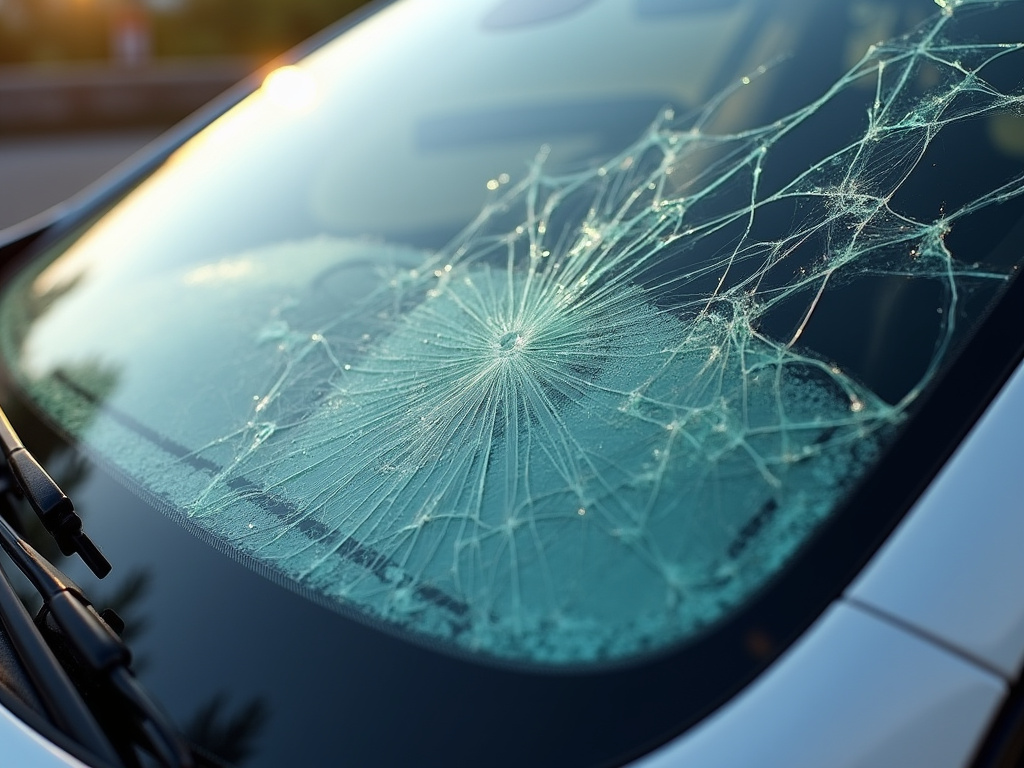
Long-Term Impact and Recovery from Head-On Collisions
Head-on collisions can have significant long-term effects, both physical and psychological. Understanding what to expect from these severe accidents is crucial for recovery and rehabilitation. In the aftermath of a head-on collision, individuals often face a range of challenges that extend beyond immediate medical care. The impact can be complex, involving not only physical injuries but also cognitive and emotional trauma.
Calculating compensation for head-on collisions requires meticulous consideration of various factors, such as the severity of injuries, duration of rehabilitation, and loss of income. It’s important to document all expenses related to medical treatment, therapy, and any ongoing care. This process can be intricate, necessitating legal expertise to ensure fair compensation. Many victims find it helpful to consult with attorneys specializing in personal injury cases to navigate this complex landscape.
While not every head-on collision results in severe outcomes, recognizing the potential need for multiple visits to healthcare professionals is essential. Regular check-ins with doctors and therapists are vital for managing ongoing symptoms and addressing new issues that may arise. For instance, whiplash, a common injury from such collisions, can persist for months or even years if not properly managed. Therefore, it’s crucial to do what’s necessary—whether it’s attending physical therapy sessions or undergoing further medical examinations—to ensure complete recovery.
Frequently Asked Questions About Head On Collision
What is a head-on collision?
A head-on collision, also known as a frontal collision, occurs when two vehicles collide directly in opposite directions. This type of collision is one of the most severe due to the high force generated by the impact, which can result in significant damage to both vehicles and severe injuries to the occupants.
What causes head-on collisions?
Head-on collisions are typically caused by driver error, such as speeding, distracted driving, or failing to yield the right of way. Other factors include poor visibility, unclear road markings, and unexpected maneuvers like sudden lane changes or turns. In some cases, vehicle defects or poor road conditions can also contribute.
What are the common injuries from head-on collisions?
Injuries from head-on collisions can range from mild to severe, including whiplash, fractures, internal bleeding, and traumatic brain injuries (TBI). The severity often depends on the speed of impact, the angle of collision, and the safety features of the vehicles involved. Prompt medical attention is crucial for evaluating and treating these injuries effectively.
How can head-on collisions be prevented?
Preventing head-on collisions involves a combination of driver education, road design, and vehicle technology. Basic measures include adhering to speed limits, maintaining lane discipline, and being vigilant, especially at intersections. More advanced solutions include better road signage, physical barriers to separate lanes, and advanced driver-assistance systems (ADAS) that can detect and mitigate potential collisions.
What should I do immediately after a head-on collision?
Safety should be the top priority. If possible, move the vehicles to a safe location away from traffic. Check for injuries and provide first aid if trained to do so. Call emergency services for help, and exchange insurance information with the other driver. Document the scene with photos, noting damage and any visible injuries, which can be valuable for insurance claims and legal proceedings.
How do insurance claims work for head-on collisions?
Insurance claims for head-on collisions follow standard procedures but can be complex due to the potential for severe injuries and significant property damage. Policyholders should notify their insurance provider as soon as possible, providing details of the incident, medical expenses, and vehicle repairs. The insurer will assign a claim handler to guide the process, which includes filing a report, gathering evidence, and negotiating settlements or, if necessary, filing legal actions.
A thorough understanding of head-on collision causes, immediate post-crash actions, and long-term impacts is crucial for safety and recovery. Key takeaways include recognizing high-risk situations like unsignaled turns and driver distraction, taking swift action such as evacuating the vehicle safely, and comprehending potential physical and psychological long-term effects. This article equips readers with vital knowledge to prevent, respond to, and recover from head-on collisions, underscoring the importance of awareness, preparedness, and comprehensive care in mitigating the consequences of these severe accidents.
Omega Law Group Accident & Injury Attorneys
704 S Spring St #1105, Los Angeles, CA 90014
+12138163691
View Omega Law Group Accident & Injury Attorneys on Google Maps
How to get to Omega Law Group Accident & Injury Attorneys from Ralphs Fresh Fare
Driving in from Ralphs Fresh Fare? the drive to Omega Law Group Accident & Injury Attorneys is a quick one. Head out on W 9th St and you’ll find us on S Spring St #1105 at 704 S Spring St #1105, Los Angeles, CA 90014. Use the map below for turn-by-turn directions.